
Breaking Monopolies Is Pro-Market, Not Anti-Business. Here's Why CA-45 Needs Antitrust Enforcement
May 8, 20264 min
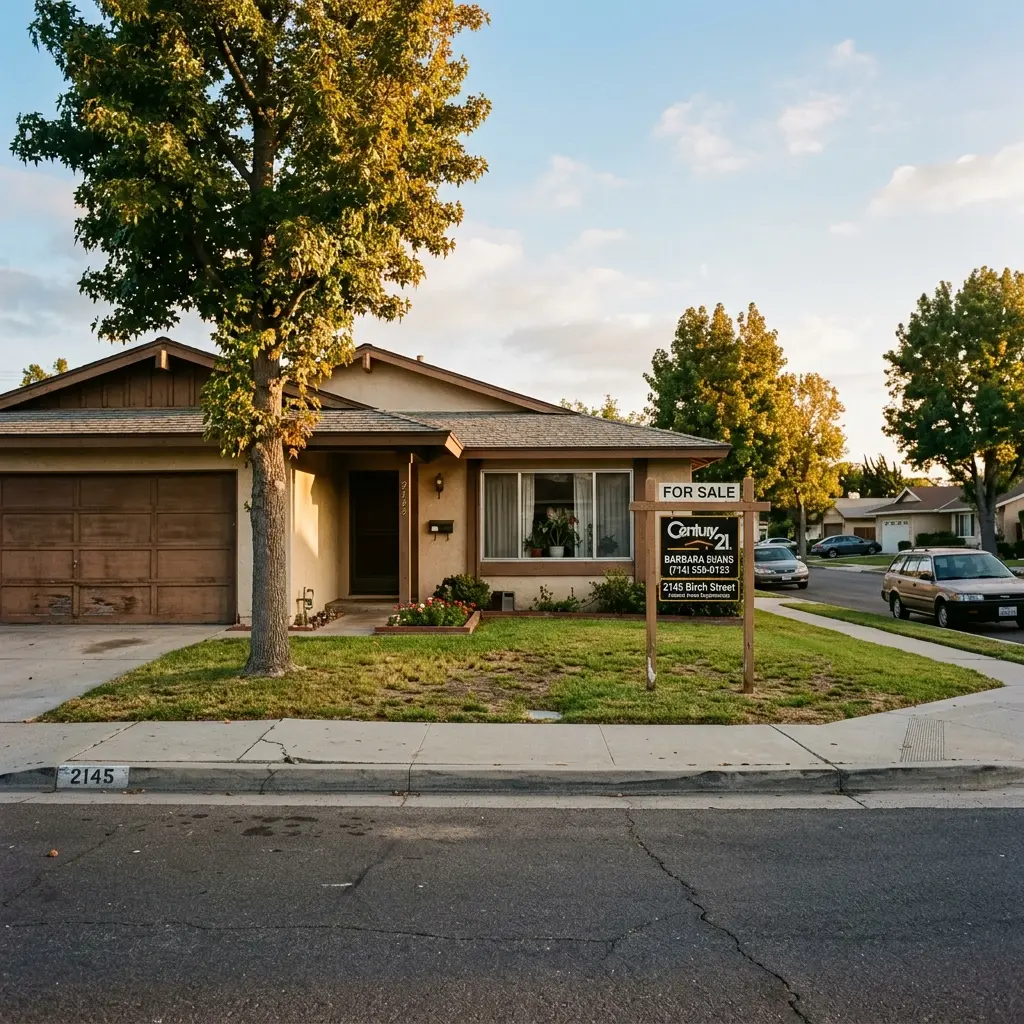
A teacher in CA-45 commutes ninety minutes because she can't afford to live in her own town. A young couple saves for ten years and still can't afford a down payment. A family stays in a cramped apartment because the next step up means a mortgage that consumes half their income. This isn't normal. And it's not the market failing. It's three consecutive levels of government failing.
Housing should be a basic human need. Instead, it has become a financial asset that only wealth can access. That's not capitalism. That's policy failure.
Local government failed first. Most of CA-45 is zoned exclusively for single-family homes. That restriction was designed to protect property values for the people who already owned homes. It worked. It also made housing unaffordable for everyone else. Zoning is the most powerful tool a local government has to control supply. CA-45's cities chose artificial scarcity over affordability. The result is predictable: fewer homes, higher prices, younger generations locked out.
State government tried to fix it and failed second. SB9 and SB10 allowed some property owners to split lots or build duplexes. Good ideas. They had almost no impact. Why? Because local cities, which implement state law, found ways to undermine it. Parking requirements. Height restrictions. Process delays. The state gave cities the tool. The cities chose not to use it.
Federal government created the third failure. The tax code treats housing as an investment vehicle. You can deduct mortgage interest. You can shelter capital gains. You can depreciate rental properties. This transformed housing from shelter into portfolio asset. Investors buy properties not to live in them but to wait for appreciation. They pay cash to avoid financing delays. Local families can't compete. They lose bidding wars against investment capital.
So here's the actual problem: housing became an investment class instead of basic human need. Local governments restricted supply to protect existing property owner wealth. State government lacked the will to override local control. Federal government provided tax incentives that accelerated the wealth-concentration effect.
None of this is because builders don't want to build. It's because the system makes building nearly impossible for affordable housing and makes hoarding existing housing incredibly profitable.
What fixes it? The same institution that broke it. Federal government.
Federal policy can work with or against local restrictions. It can use funding as leverage. States that zone restrictively can lose federal housing dollars. Federal policy can reform the tax code. Remove the deductions that treat housing as investment. Tie federal infrastructure funding to affordable housing production. Use the power of federal purchasing to support builders producing under-market-rate housing.
Property owners would keep their homes. Nobody loses anything. But new development would actually serve families instead of serving investment portfolios. Zoning reform would become possible because property owners would see value in allowing density. Prices would moderate because supply would actually match demand.
Some will say this is government overreach. I disagree. When local government fails at subsidiarity's first level, and state government lacks the will to enforce accountability, federal government gets the authority to step in. That's how federalism works. Local first. If local fails, escalate.
CA-45 families don't deserve to watch their children move away because they can't afford to stay. Teachers don't deserve two-hour commutes to avoid impossible mortgages. This problem is solvable. It just requires the political will to challenge the existing homeowners whose property values depend on artificial scarcity.
I have that will. That's what I'm running to do.
Mark Leonard is running to represent CA-45 in Congress. This article is part of his campaign to address the three critical failures facing our district.
Share your thoughts on this issue. We're building a campaign grounded in the real concerns of CA-45 families.